How the Right Window Treatments Can Transform Your Home Interior


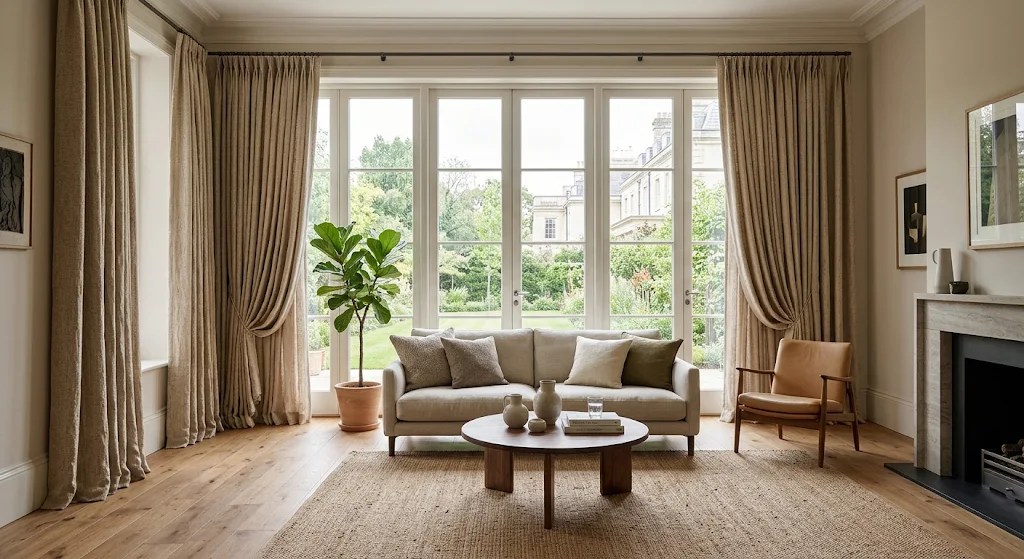
A well-designed home is not just about furniture, wall colours, or decorative accessories. Small details often have the greatest influence on how a space looks and feels. Window treatments are one example. They can change the atmosphere of an entire room, improve privacy, manage natural light, and bring different elements of an interior together.
Windows naturally attract attention because they connect indoor spaces with the outside environment. Leaving them uncovered may make a room feel unfinished, while choosing suitable curtains can introduce warmth, texture, and character. However, the right selection depends on the room's layout, window dimensions, existing decoration, and practical requirements.
Whether you are refreshing a single room or planning a complete home makeover, understanding how to choose and style curtains can help you create a more coordinated living environment.
1. Understand How Curtains Influence Interior Design
Curtains serve both decorative and practical purposes. Their appearance can influence how spacious, balanced, or comfortable a room feels.
For example, long curtains can draw attention upward and create the impression of taller ceilings. Lighter colours can complement bright interiors, while deeper shades introduce contrast and visual depth.
Fabric texture also plays an important role. Smooth materials often create a simple, contemporary appearance, whereas heavier textured fabrics can make a room feel more traditional and luxurious.
When choosing curtains, consider the relationship between three elements:
- Colour: Curtains should complement the room's existing colour palette.
- Texture: Fabric texture adds another visual dimension to interior decoration.
- Proportion: Curtain width and length should suit the size and position of the window.
Combining these elements creates a more consistent appearance throughout your home.
2. Make Natural Light Work for Your Space
Natural daylight can make rooms feel more open and inviting. However, excessive sunlight may cause glare, affect screen visibility, and make certain spaces uncomfortable.
Curtains allow homeowners to manage how much daylight enters their rooms.
Light-filtering curtains are useful when you want to soften incoming sunlight without making the room completely dark. They are particularly suitable for living rooms, dining areas, and spaces where natural illumination is important.
For bedrooms or rooms that receive strong sunlight, heavier materials and blackout options may offer better light control.
Think about the direction your windows face and how sunlight moves through the room during the day. A bedroom receiving direct morning sunlight may have different requirements from a living room that remains shaded for most of the afternoon.
Selecting curtains according to these conditions can improve the everyday usability of your space.
3. Create a Focal Point With Statement Curtains
Curtains do not always need to blend into the background. They can also become a decorative feature that gives a room more personality.
Statement curtains work particularly well when the rest of the interior uses relatively simple colours and furniture.
For example, deep green or burgundy curtains can introduce colour into a neutral living room. Similarly, textured velvet curtains can add depth to a room with simple walls and understated furniture.
Before selecting a bold design, consider the existing decorative elements. If your furniture already includes strong patterns or multiple colours, simpler curtains may create a better balance.
For a coordinated result, choose one or two colours already present in your furnishings and incorporate them into your curtain selection.
4. Select Materials That Suit Your Lifestyle
Different curtain fabrics create different visual effects and practical benefits. Understanding their characteristics helps you choose materials that suit your home.
Velvet for a Richer Interior
Velvet is associated with a soft, textured appearance and a more luxurious decorative style. It can make living rooms, bedrooms, and formal sitting areas feel warmer and more sophisticated.
Its relatively substantial construction can also provide additional privacy and reduce incoming light, depending on the fabric and overall curtain design.
Velvet works particularly well with wooden furniture, decorative lighting, and deeper interior colours.
Linen-Touch Fabrics for a Natural Look
Linen-touch materials suit homeowners who prefer understated decoration. Their relaxed texture complements contemporary furniture, neutral walls, and natural decorative elements.
They are especially useful in spaces where you want curtains to enhance the interior without becoming its main attraction.
Blackout Materials for Light Management
Blackout curtains are designed for spaces where reducing incoming daylight is a priority.
Bedrooms, media rooms, and other areas that benefit from darker conditions are common places to use them. Proper measurements and sufficient window coverage are important because light can still enter through uncovered gaps around the curtain edges.
Lightweight Materials for Brighter Rooms
Lighter curtain fabrics help maintain an airy atmosphere and can soften strong daylight.
They work well in living rooms, dining areas, and other spaces where maintaining natural illumination is desirable.
The most suitable fabric depends on the purpose of the room rather than appearance alone.
5. Pay Attention to Curtain Length and Placement
Even high-quality curtains can look out of place when installed at the wrong height or selected in unsuitable dimensions.
Curtain placement influences the visual proportions of a room. Installing a curtain rod slightly above the window frame can make the window appear taller. Extending the rod beyond the window edges may also help create a wider appearance when the curtains are open.
Length is equally important.
Floor-length curtains are a popular option for bedrooms and living rooms because they create a continuous, elegant appearance. Shorter curtains can be appropriate for certain smaller windows, particularly where furniture or other objects are positioned directly underneath.
Before ordering, measure the installation height and available width carefully. Also account for the curtain heading and the amount of fabric needed to create attractive folds.
Avoid assuming that window-glass measurements are the same as the final curtain dimensions.
6. Use Colour to Establish the Right Atmosphere
Colour selection can significantly change the overall feeling of a room.
Warm colours such as cream, beige, and soft brown can create a welcoming environment. Cool shades such as grey, muted blue, and green can introduce a calmer appearance.
The choice should reflect the room's existing decoration.
Here are several combinations worth considering:
Neutral living rooms: Beige, ivory, and light grey curtains can maintain a balanced appearance without overwhelming the furniture.
Contemporary bedrooms: Charcoal, muted blue, and darker neutral shades can create a more defined decorative style.
Traditional interiors: Burgundy, forest green, and rich brown can complement classic furniture and wooden finishes.
Minimalist spaces: White, cream, and subtle textured fabrics can maintain a clean and uncluttered appearance.
It is also worth checking how a colour looks under artificial lighting. A fabric that appears neutral during the day may look noticeably warmer or darker in the evening.
7. Make Small Rooms Feel More Open
Choosing curtains for a smaller room requires attention to visual proportion.
Heavy patterns, excessive fabric, and very dark colours can sometimes make a compact space feel visually crowded. This does not mean darker curtains should always be avoided, but they should be selected carefully.
Consider these design approaches:
- Choose colours that complement the walls to create visual continuity.
- Use appropriately positioned curtain rods to improve the appearance of window height.
- Avoid unnecessary decorative details when the room already has several competing elements.
- Select suitable fabric fullness so the curtains look complete without taking up excessive visual space.
- Keep furniture and curtain colours coordinated rather than introducing too many unrelated shades.
The goal is to create a balanced interior in which the curtains complement the available space.
8. Coordinate Curtains Throughout Your Home
Using exactly the same curtains in every room is not essential. Different spaces have different lighting, privacy, and decoration requirements.
However, maintaining a consistent design direction can make the entire home feel more connected.
For example, you could use neutral colours throughout the main living spaces while choosing darker or heavier fabrics for bedrooms.
Another approach is to repeat similar colours but introduce different textures. This allows individual rooms to maintain their own character without making the overall home design feel disconnected.
Pay attention to nearby spaces as well. Curtains in an open-plan living and dining area should work together because both areas remain visually connected.
9. Find Curtains That Combine Style and Functionality
Shopping for curtains involves considering more than appearance. Fabric quality, dimensions, maintenance requirements, available colours, and light-control features should all influence your decision.
Online collections make it easier to compare different materials and explore styles suited to different interior designs.
At CurtainsX, shoppers can explore a variety of curtain options for different rooms and decorative preferences. Whether you are looking for textured materials, elegant designs, or practical light-control solutions, comparing available products can help you identify suitable options.
Explore the Window Curtains collection to discover options that can complement your home's interior design.
For homeowners planning a complete room refresh, choosing the right Curtains for Windows is also an opportunity to improve privacy, manage natural daylight, and bring decorative elements together.
Take time to compare fabric descriptions, review sizing information, and consider how each option will look alongside your existing furnishings.
Frequently Asked Questions
1. How can curtains improve the appearance of a room?
Curtains introduce colour, texture, and visual balance. Their length and placement can also influence the perceived proportions of a room.
2. Should curtains match the colour of the walls?
They do not need to match exactly. Curtains can complement wall colours through similar shades, contrasting tones, or textures that coordinate with the existing interior.
3. Are long curtains better than short curtains?
The best length depends on the window position, furniture arrangement, and decorative style. Floor-length curtains are commonly used in living rooms and bedrooms, while shorter options may suit particular smaller windows.
4. How do I prevent curtains from making a room look crowded?
Choose suitable fabric fullness, coordinate colours with the walls and furniture, and avoid introducing too many competing patterns or decorative details.
5. What should I consider when purchasing curtains online?
Check fabric specifications, product dimensions, available colours, maintenance instructions, and light-control features. Accurate measurements are particularly important when ordering made-to-measure or specific-size curtains.
6. Can different rooms have different curtain styles?
Absolutely. Bedrooms may require greater privacy and light control, while living rooms may benefit from lighter materials. Maintaining a consistent colour scheme can help connect different areas of the home.
Final Thoughts
Curtains are an important part of a well-planned interior. They influence natural lighting, privacy, colour balance, and the overall character of a room.
The best approach is to consider each space individually, select suitable fabrics, measure windows accurately, and coordinate colours with existing furnishings. Small decisions about fabric, placement, and proportions can make a significant difference to the final result.
By exploring different materials and styles, homeowners can create interiors that look coordinated while remaining comfortable and practical for everyday living.